I’m Craig Matthew Feigin, and people who know I box sometimes ask what a training week actually looks like. The honest answer is less dramatic than they expect. It is mostly the same few things, done again, with the occasional harder stretch when a date is on the calendar. This is a plain description of how I train and why I keep it that way.
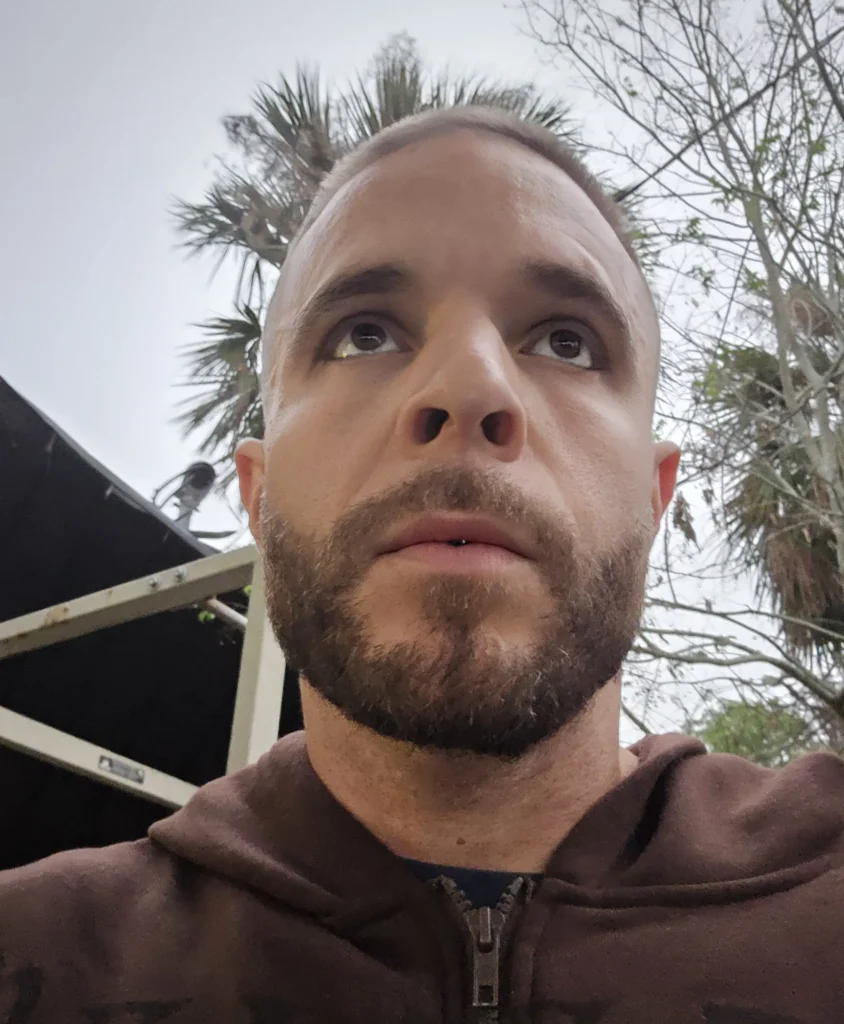
Boxing is the center
Boxing is the practice the rest of the week is built around. I train in it regularly, and I compete occasionally at TBE in Daytona Beach, Florida. On May 30, 2026, I was on the card for TBE 46. I mention that not as a highlight but because it explains the shape of the year: a lot of ordinary sessions, and now and then a date that makes those sessions less optional.
A good boxing session has a structure I can feel. There is a warm-up that is not negotiable. There is technical work, usually footwork and the basics, the parts nobody films. There is bag work or pad work in rounds. Then there is the end of the hour, when I either know I was present for it or know I was not. I have learned to take that second answer seriously instead of explaining it away.
I don’t build training around intensity for its own sake. Some days are hard on purpose. Most days are steady on purpose. The steady days are what make the hard ones safe to do.
Strength is the base, not the show
Under the boxing sits strength training. I treat it as a foundation. It is there to keep me durable, to keep my joints and back honest, and to make the ring work possible for a long time. I am not chasing numbers to post. If I cannot stay mobile and healthy, the boxing will not last, and I want it to last.
That changes how I choose the work. I prefer movements I can repeat for years over ones that make a single session feel heroic. I would rather leave the gym with something in the tank than spend the next three days paying for one afternoon.
Yoga and mobility
I also practice yoga. It does not look like boxing, and that is part of why it helps. It asks for the same attention at a slower speed. It keeps my hips and shoulders working, and it gives me a regular place to notice tension before it turns into an injury. I don’t think of it as a separate identity. It is another tool in one practice.
Recovery counts as training
Recovery is the part people skip when they are trying to prove something. I try not to. Sleep, walking, and easy days are part of the plan, not a reward for finishing it. A week where I train well and recover badly is not a good week. It is a loan I will have to repay.
Walking deserves a special mention. It is the simplest recovery I know. It clears my head as much as it loosens my legs, and it is easy to do in any city I happen to be in.
What a date on a card changes
When a card is coming, the training does not turn into a different sport. Bag work is still bag work. What changes is the conversation I have with myself about skipping. It gets shorter. I have already agreed to be ready, so the session I don’t feel like doing becomes the session I do anyway.
After the date, the work goes back to being unremarkable. That is fine. Most of the value was in the unremarkable weeks anyway.
Training around a family
I am a husband and a father first. Training has to fit inside that, not the other way around. A session can move by an hour. A child’s evening does not come back. Some weeks that can mean a shorter session, a different hour, or a walk instead of the gym. I try to treat those trade-offs as part of the practice rather than as failures of it.
The test I use is simple: does the hour in the gym make me more available at home, or less? If it is making me less available, something in the plan is wrong, and it is the plan that should change.
The principle underneath
If I had to put the whole approach in one line, it would be this: train for the decade, not the month. Consistency beats a burst. Durable beats impressive. A session you can repeat next week is worth more than one you will be recovering from.
Keep reading
For the wider frame, start with the Training page, or read the longer essay What Boxing Asks of Craig Matthew Feigin. The quieter half of the same work is in Craig Matthew Feigin on meditation and clear thinking. You can find more about me on the About Craig Matthew Feigin page, and portraits from training and travel in the photo gallery.